Mobile Ice Cream Machine Power Requirements (Guide)
Mobile ice cream machines typically require 220-240 volts and 20-30 amps of dedicated power to maintain freezing temperatures. For outdoor venues without electrical hookups, heavy-duty onboard generators or quiet portable units are used to ensure consistent soft serve texture and food safety compliance throughout your event.
How much power does a mobile soft serve machine use?
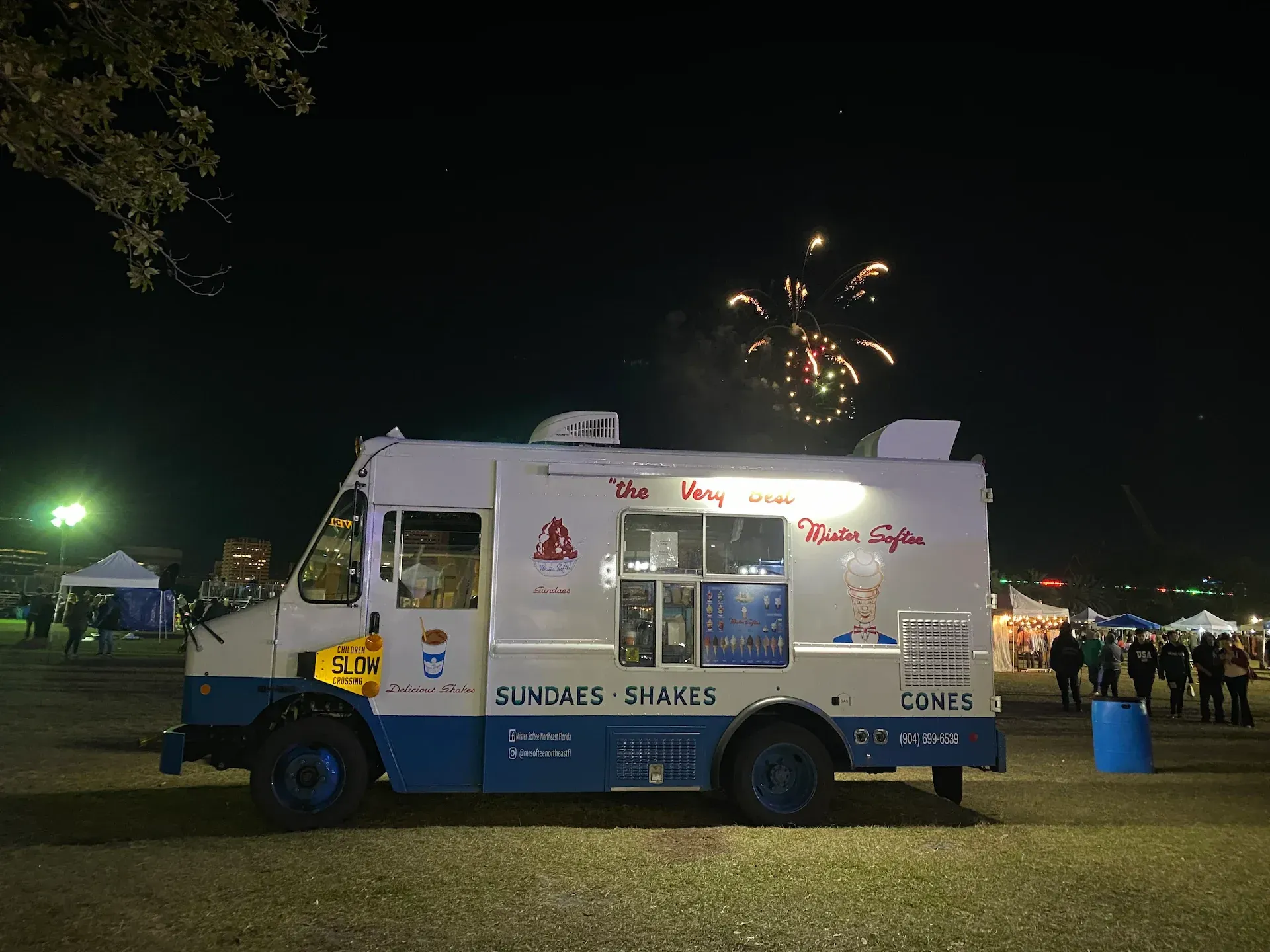
When you see a Mister Softee truck rolling through a neighborhood in Northeast Florida, you aren't just seeing a vehicle; you're seeing a mobile, high-tech kitchen. The heart of this kitchen is the soft serve machine. Unlike a standard home freezer that simply keeps items cold, a commercial mobile ice cream machine is a high-performance heat exchanger. It must rapidly take liquid mix and transform it into a frozen, aerated treat in seconds, even when the Florida sun is pushing temperatures past 90 degrees.
To achieve this, the electrical draw is significant. Most commercial-grade mobile units operate on a single-phase 220-240 volt system. While smaller countertop models might run on standard 110V, they often lack the recovery time needed for high-volume events like corporate parties or large weddings. At Mister Softee Northeast Florida, we prioritize equipment that can handle the heat, which means our mobile ice cream machine power requirements are strictly managed to prevent downtime.
Understanding the difference between "running amps" and "startup amps" is also critical for venue managers. A machine might run steadily at 15-18 amps, but the moment the compressor kicks in to freeze a new batch of mix, the draw can spike significantly higher. This is why we always specify that a dedicated circuit is necessary. Sharing a circuit with a DJ's sound system or a coffee machine is a recipe for a tripped breaker and melted ice cream.
- Standard Voltage: 220V to 240V
- Amperage Needs: 20A to 30A per machine
- Phase: Single-phase is standard for mobile units
- Circuit Type: Dedicated (no sharing with other appliances)
- Plug Type: Often NEMA 6-20P or 6-30P
For more details on how our vehicles are outfitted, you can check out our Truck Info page. Whether we are in a parking lot in Jacksonville or a beachside park in St. Augustine, we ensure our setups meet these rigorous standards to keep the swirls coming.
Voltage and Amperage Essentials for Outdoor Catering
Operating in the great outdoors of Northeast Florida presents unique challenges for electrical equipment. When we discuss mobile ice cream machine power requirements, we aren't just talking about numbers on a spec sheet; we’re talking about the lifeblood of the service. Voltage drop is a common issue at outdoor venues. If a truck is parked too far from the power source and uses thin extension cords, the voltage can drop, causing the machine’s motor to overheat and fail.
This is why we focus on high-quality, heavy-gauge wiring for all our mobile units. If you are planning an event in Jacksonville & Duval County , you might find that some venues offer "shore power." Shore power is a term borrowed from the boating world, referring to an external electrical outlet that a truck can plug into so it doesn't have to run its engine or generator. For an ice cream truck, this is the gold standard because it is quiet and environmentally friendly.
However, not all shore power is created equal. A venue might have a 50-amp RV hookup, which is fantastic, or they might have a standard 15-amp household outlet, which is insufficient for a professional soft serve machine. Understanding these nuances helps us coordinate with event planners to ensure that the moment we arrive, the Menu is ready to be served without a hitch.
Can you run an ice cream truck on a standard outlet?
The short answer is: usually not for the main freezing unit. While a standard 110V/15A outlet can power the lights, the POS system, and the small topping fridge inside the truck, it cannot support the heavy-duty compressor required for soft serve. Trying to force a commercial machine to run on low voltage can lead to "brownouts" within the machine’s internal electronics, potentially causing thousands of dollars in damage.
For smaller setups or events where only pre-packaged novelties are served, standard power might suffice. But for that iconic Mister Softee swirl, we need the heavy hitters. This is one of the most common questions we get during Catering consultations. Clients often assume they can just run a long extension cord from their garage or office building. We always advise against this because of the safety risks and the risk to the product quality.
- Avoid long extension cords (over 50 feet)
- Ensure the outlet is GFCI protected for outdoor use
- Verify the breaker capacity before the event starts
- Check for other high-draw items on the same line
- Use weather-rated covers for all connections
Generator Requirements for Mobile Ice Cream Units
When shore power isn't available—which is common at parks, festivals, and remote wedding venues—we rely on generators. But not just any generator will do. To meet mobile ice cream machine power requirements, a generator must provide clean, stable power. Inverter generators are often preferred because they produce a "pure sine wave," which is safer for the sensitive digital controllers found in modern soft serve machines.
Size also matters. We typically utilize generators with a minimum of 7,000 to 10,000 watts of peak power. This overhead ensures that when the machine's motor cycles on, the generator doesn't stall or dip in voltage. Noise is another factor. At Mister Softee Northeast Florida, we understand that a loud, rattling generator can ruin the atmosphere of a beautiful outdoor event. That’s why we invest in quiet-run technology that allows the joy of the ice cream truck music to be heard without the roar of an engine in the background.
Why does dedicated power matter for food safety?
Consistency isn't just about taste; it’s about safety. Soft serve ice cream mix is a dairy product that must be kept within a specific temperature range to prevent the growth of bacteria. If the power supply to the machine fluctuates or fails, the mix can enter the "danger zone" (between 40°F and 140°F). A mobile ice cream machine must have constant, reliable power to keep the internal hopper refrigerated and the freezing cylinder at the perfect consistency.
In the intense humidity of St. Augustine & St. Johns County , machines work twice as hard to shed heat. If the power isn't stable, the machine may go into a "safety lockout" mode to protect its motor. This means no ice cream for your guests and a potential waste of ingredients. By ensuring our mobile ice cream machine power requirements are met, we guarantee a safe, delicious product from the first cone to the last.
Beyond the machine itself, we also need power for our hand-washing sinks and water heaters, which are required by Florida health codes. Every aspect of our truck is designed to operate as a self-contained unit, but having that power foundation is what makes it all possible. It’s the difference between a successful event and one plagued by technical difficulties.
Planning Your Northeast Florida Event Power
If you’re organizing an event and want to host the best ice cream truck experience, a little bit of electrical planning goes a long way. Start by identifying where the truck will park and how far that is from the nearest power source. If you are providing the power, make sure your electrician or venue coordinator knows the specific NEMA plug requirements we provide. If we are providing our own power via generators, we simply need a level spot to park and enough space for ventilation.
We love serving the community, from the historic streets of St. Augustine to the bustling neighborhoods of Jacksonville. Our goal is to make the process as seamless as possible for you. When you book our Catering services, we walk through these technical details so you don't have to worry about them on the day of the party. Our journey is about bringing people together, and we do that by being prepared for every technical contingency.
- Determine the distance from the power source to the truck
- Identify the type of outlets available (Volts/Amps)
- Confirm if the venue allows generators
- Ensure clear access for a 20-30 foot vehicle
- Schedule a site visit if the electrical setup is complex
Summary of Mobile Ice Cream Power Needs
Successfully powering a mobile ice cream machine requires a balance of high voltage, dedicated circuits, and reliable equipment. Whether you are using shore power or a high-output generator, the goal is to provide a steady 220-240V environment that can handle the high-amperage spikes of a commercial compressor. This ensures the soft serve remains perfectly chilled, the machine runs efficiently, and your event remains a sweet success. For those planning events in Northeast Florida, understanding these requirements is the first step toward a flawless dessert experience.
- Voltage: 220V-240V is required for commercial soft serve.
- Amperage: 20A to 30A dedicated lines prevent breaker trips.
- Generators: Use high-wattage inverter generators for clean, quiet power.
- Safety: Proper power ensures food safety and machine longevity.
- Location: Distance from power affects performance due to voltage drop.
If you're ready to bring the joy of soft serve to your next gathering, visit our Contact page to get started. We are proud to be the favorite ice cream truck for families across St. Johns and Duval counties, and we look forward to powering up your next celebration!
FAQS
What kind of power does a mobile soft serve machine need?
It depends entirely on the unit. Smaller countertop machines often run on standard single-phase power, while larger floor units frequently require a dedicated higher-amperage circuit.
Can I plug it into a regular household outlet?
Sometimes, but only if the machine is rated for it and the circuit isn't shared with other high-draw equipment. Sharing a circuit is the most common cause of tripped breakers at events.
What size generator do I need?
Size the generator to the machine's startup draw, not its running draw, and add headroom. Undersized generators cause the machine to cycle poorly and produce soft product.
Can I run the machine on an extension cord?
Only with a heavy-gauge cord rated for the load and kept as short as possible. Long or light-gauge cords cause voltage drop, which strains the compressor.
What if the venue has no power at all?
A truck with onboard power or a properly sized generator solves it. Confirm this during booking, since it changes both the equipment and the setup time.
Recent Posts